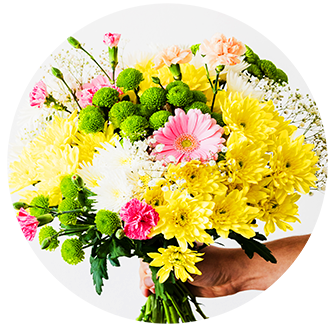
Cut Flower Care: The Key to a Lasting Bouquet
Posted on 06/06/2025
Cut Flower Care: The Key to a Lasting Bouquet
Fresh flowers have a magical effect on any space, infusing color, fragrance, and joy. Whether you're treating yourself or surprising someone special, knowing how to care for cut flowers can make all the difference in how long a bouquet lasts. In this comprehensive guide, we explore the secrets to ensuring your fresh bouquet remains vibrant and stunning for as long as possible. If you're looking for expert tips and proven techniques for cut flower care, you're in the right place!
Understanding the Science of Cut Flower Longevity
Cutting a flower from its plant cuts off its ability to absorb nutrients and hydrate naturally. Proper bouquet care helps extend its vase life by creating an ideal environment and supporting the blooms as they acclimate to their new setting.
- Hydration: After harvest, flowers are sealed at the stem ends by air and bacteria, making water absorption difficult unless handled correctly.
- Nutrient Needs: Without roots, flowers depend on the water and nutrients we provide to maintain freshness and color.
- Bacterial Growth: Bacteria quickly multiply in stagnant water, shortening the cut flower's life. Proper hygiene and care can drastically reduce this.

Essential Tips for Longer-Lasting Bouquets
1. Choose Quality Blooms
Optimal cut flower care begins with selecting fresh flowers. Follow these guidelines for choosing quality blooms:
- Check the petals: They should be strong and perky, not wilted or browning.
- Look at the stems: Stems should feel firm and hydrated.
- Inspect the foliage: Fresh, green leaves are a sign of health. Avoid bouquets with yellowing or soft leaves.
- Buds over full bloom: Selecting flowers with some buds ensures longer enjoyment as they open over time.
2. Recut Flower Stems Properly
Immediately recutting the stems is a vital step for extending cut flower life. Air can block the vascular tissue, so refreshing the cut allows better water uptake.
- Use sharp scissors or a knife: Dull blades can crush stems.
- Cut at a 45-degree angle: This increases surface area for absorbing water and prevents the stem from resting flush against the vase bottom.
- Trim under running water: Cutting submerged or under running water minimizes air bubble formation inside the stem.
- Remove 1-2 inches: Freshly exposing new tissue aids in absorption.
3. Strip Leaves Below the Water Line
When leaves are submerged, they decompose quickly, stimulating bacterial growth and producing foul odors. For better vase life for cut flowers:
- Remove all lower foliage: Only leaves above the water line should remain.
- Pluck gently: Take care not to damage the stem.
4. Cleanliness is Crucial
One of the most overlooked tips for flower care is maintaining cleanliness to slow down bacterial growth:
- Wash vases thoroughly prior to each use with hot water and soap.
- Rinse stems in clean water before arranging your bouquet.
Optimal Water and Flower Food Solutions
1. Use Lukewarm Water
Flowers absorb tepid (room temperature) water more effectively than cold. Cold water can shock the blooms, while hot water may damage them. For woody stems (roses, lilacs), very warm water encourages initial hydration.
2. Flower Food - The Secret Solution
Chemical flower food packets often accompany commercial bouquets. Why are they so effective for caring for cut flowers?
- Sugar: Feeds and energizes the stems.
- Acidifier: Lowers water pH, aiding water upwards into the stems.
- Biocide: Fights harmful bacteria and fungi.
If you run out of commercial packet, homemade flower food can be mixed using household ingredients:
- 2 cups water
- 1 teaspoon sugar
- 1 teaspoon white vinegar or lemon juice
- 1/2 teaspoon household bleach
Mix well and add to your vase for an instant bouquet boost!
Environment Matters: Where to Display Your Bouquet
The placement of your cut flowers makes a significant difference:
- Avoid direct sunlight: Too much heat hastens wilting.
- Keep away from appliances: TVs, computers, and radiators emit heat and dry out flowers.
- Don't place near fruit bowls: Ripening fruit releases ethylene gas, which speeds up blooming and decay.
- Cool, shaded rooms: are ideal environments for optimal cut flower lifespan.
Maintenance Routine: Refreshing Your Blooms
1. Change Water Regularly
Stale water accelerates bacteria production. Change the vase water every 1-2 days, and always use fresh flower food with each refresh.
2. Recut Stems Every Few Days
Even after initial trimming, stems can clog over time. Cutting a small section off (about one inch) every other day keeps absorption high and supports longevity.
3. Remove Wilting Blooms
Dead flowers not only look unsightly; they can also accelerate the aging process of the entire bouquet due to the ethylene gas they release.
- Pluck off brown or shriveled petals quickly.
- Discard any entire stems that are wilting or molding.
4. Clean the Vase
Each time you change the water, it's best to rinse the vase under running water to remove slimy residue and lingering bacteria.
Caring for Different Types of Cut Flowers
Not all cut flower varieties require identical routines. Here's a quick guide to three popular bouquet favorites:
Roses
- Remove guard petals on the outside for the best appearance.
- Recut under water-roses are prone to stem blockage from air bubbles.
- Warm water vase for the best start.
Tulips
- Trim stems straight across (not at an angle) for upright display.
- Place in shallow water-tulips prefer less water than other blooms.
- Keep cool: tulips elongate and droop in warmth.
Hydrangeas
- Recut and submerge entire flower heads in water for 30 minutes if wilting.
- Remove excess leaves-hydrangea leaves consume a lot of water.
- Mist petals daily for extra hydration.
Common Flower Care Mistakes to Avoid
- Neglecting water changes--leading to rapid decay.
- Rough trimming of stems--creating blockages instead of clean cuts.
- Ignoring flower food--fresh water without nutrients limits bloom longevity.
- Leaving leaves in the water--accelerates bacterial contamination.
Bonus Tips: Creative Cut Flower Care Hacks
- Add vodka or clear spirits: A drop or two in the vase may slow wilting by inhibiting ethylene production.
- Use copper coins: A copper penny can act as a fungicide, reducing mold growth.
- Aspirin tablets: Dissolved in water, they can lower pH and aid in water uptake (best for roses and woody stems).
- Hairspray: A light mist on petals (from a distance) helps fragile petals retain their shape and color-just don't overdo it!
The Ultimate Bouquet Checklist
- Always start with clean vases and tools.
- Re-cut stems at an angle and under water.
- Remove all foliage below water level.
- Add flower food at every water replacement.
- Refresh water and trim stems every 1-2 days.
- Display in a cool, shaded spot--never near fruit or heat.
- Remove declining blooms promptly.

Frequently Asked Questions About Cut Flower Care
How long should a well-maintained bouquet last?
With optimal care and proper flower food, most bouquets can last between 7 and 14 days. Some hearty varieties (like chrysanthemums and alstroemeria) last even longer.
Is tap water safe for my flowers?
Regular tap water is usually fine, but if your water is especially hard or soft, blooms may not last as long. Distilled water or filtered water can improve results.
Can I revive wilting flowers?
Yes! Try fully submerging the stems in warm water for 30-60 minutes, then recut and return them to fresh vase water. Misting flowers, especially hydrangeas, also helps.
Should I refrigerate my bouquet at night?
For prized or specialty blooms, storing them in the refrigerator (not the freezer) overnight can slow decay. Just keep flowers away from fruits and veggies.
Conclusion: Elevate Every Bouquet with Outstanding Cut Flower Care
Beautiful bouquets are a joy to receive--and an even greater delight when they last. Applying these strategies for caring for your cut flowers will maximize vase life and let you enjoy their beauty to the fullest. From recutting stems at an angle, removing submerged leaves, to using flower food and refreshing water, a few simple habits make all the difference.
Whether you're a flower enthusiast, an occasional gift-giver, or a professional florist, the keys to a lasting bouquet are within your grasp. Share this guide with fellow flower lovers and prolong the beauty of every special arrangement!
Have your own cut flower care tips to share? Let us know and help this bouquet of knowledge bloom!
Latest Posts
From Garden to Vase: The 12 Best Long-Lasting Flowers
Nurturing Orchids to Bloom Beautifully
Caring for Office Plants Made Easy